Home
What is counselling?
All of us face challenges in our lives, and sometimes they can feel too big to overcome. We all have the innate knowledge and capacity to make it through the tough times, but it can be hard to believe it of ourselves. Working with a counsellor in a therapeutic relationship is a way to feel more supported, less alone, and better able to access those inner resources.
Types of counselling
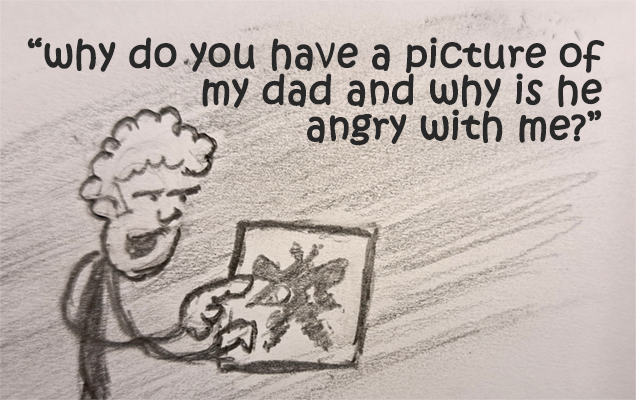
There are so many different therapeutic approaches, theories and schools that it can be confusing and overwhelming, especially if you are trying to work out what kind of counselling will work for you. The stereotypical media portrayal of therapy does little to help. Are you really expected to lie on a couch, interpret ink blots and try to remember being an infant?

My approach
I received my training first in the person centred approach, and then in a humanistic integrative one. Please don't worry about these terminologies! What it means to me is that I consider every client to be a distinct individual, and I want to meet them where they are at. I do not have a rigid way of working, because it is more important to get to know my client so that we can start to build a strong therapeutic relationship together. And I mean it when I say 'together': coming to counselling is hard work. I am not here to give you the answers, because how can I? My way of doing things is not yours. What I can do is provide a safe, supportive space, free from judgment, where you can take the time to find where you want to go, what you want to do, and how you want to be.
My practice is inclusive, meaning that I am open to working with anyone regardless of their background or how they identify.